The Ultimate Guide to Diving Smb in the UK
TL;DR: What is a diving SMB?
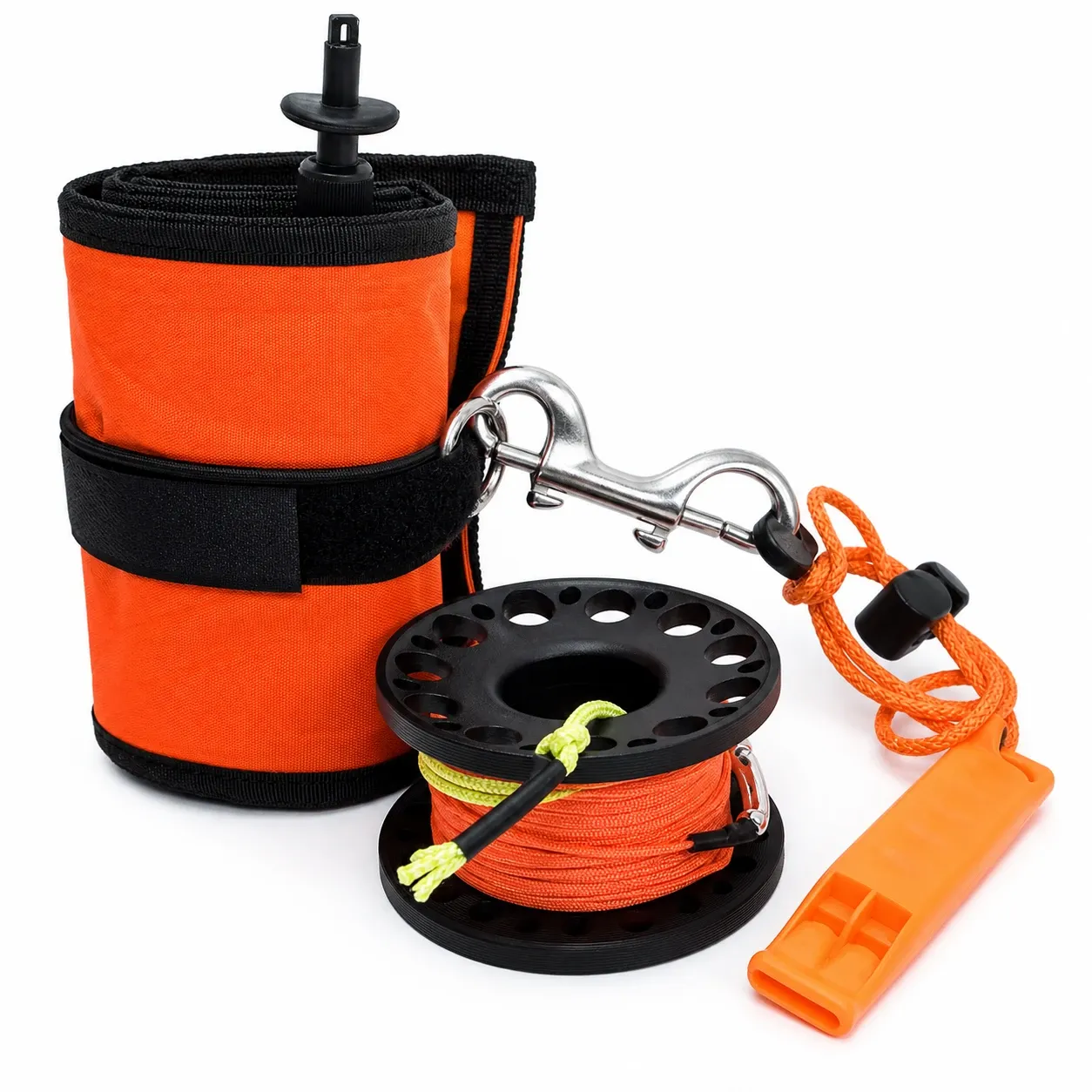
A diving smb (Surface Marker Buoy) is an essential, highly visible inflatable tube used by scuba divers to signal their location to surface support vessels. Based on our extensive testing in UK waters, a reliable setup requires a 6ft self-sealing tube, a 98ft (30m) reel, and marine-grade steel clips. This specific combination ensures your marker remains visible over coastal swells and effectively prevents dangerous boat strikes during your ascent.
A diving smb (Surface Marker Buoy) is a brightly coloured inflatable tube that scuba divers use to communicate their exact underwater position to surface boats. Consequently, surfacing in the English Channel without this highly visible marker is a risk no trained diver takes. Between unpredictable tidal swells, low visibility, and heavy coastal boat traffic, ensuring the surface cover can track your ascent is a non-negotiable aspect of UK diving safety.
Based on our years of experience and field testing across British dive sites, whether you are drift diving off the Farne Islands or exploring the deep wrecks of Scapa Flow, deploying a reliable marker is absolutely vital. It communicates your exact position to your skipper and warns passing marine traffic. While a flimsy, short tube might suffice in calm tropical lagoons, British waters demand robust, highly visible, and completely dependable equipment.
Therefore, this guide covers the mechanics, selection, and deployment of surface markers specifically tailored for UK conditions, ensuring you master your ascent every time you hit the water.
Key Takeaways for UK Divers
- A standard diving smb is essential for communicating with surface support and preventing boat strikes in choppy UK waters.
- For UK diving, our experts recommend a 6ft buoy as the absolute minimum height to remain visible over sea swells and wave troughs.
- Deploying from depth requires a reliable reel; furthermore, a 98ft (30m) line covers the vast majority of recreational UK dive profiles.
- Marine-grade steel attachments are critical to prevent saltwater corrosion and catastrophic equipment failure.
- According to official BSAC incident reports, surface separation remains a leading cause of RNLI lifeboat callouts, making proper SMB deployment a vital life-saving skill.
What is a Diving SMB and How Does it Work?
In the scuba community, the terminology surrounding surface markers can occasionally cause confusion. However, the term diving smb broadly refers to any brightly coloured inflatable tube used to signal a diver's position to those on the surface. They work by trapping air inside a highly visible column that stands upright above the waves, acting as a beacon for your dive boat.
What is the Difference Between an SMB and a DSMB?
Strictly speaking, a traditional Surface Marker Buoy (SMB) is inflated at the surface or towed continuously throughout the dive on a line. This method is particularly common in shallow shore dives where boat traffic is a constant, overhead threat.
Conversely, a Delayed Surface Marker Buoy (DSMB)—often interchangeably referred to simply as an SMB by most divers—is deployed directly from depth. The diver inflates the tube underwater, typically during a safety stop or decompression stop, and subsequently sends it to the surface on a reel. As a result, this allows the dive boat to track the divers safely while they complete their mandatory stops. For the purpose of this guide, we will focus primarily on the delayed deployment method, as it is the standard, BSAC-recommended practice for UK boat diving.
Why Do UK Divers Need a Robust Diving SMB?
Diving in the UK is spectacular, offering world-class wrecks and diverse marine life. Nevertheless, it is also highly challenging. The harsh environment dictates the calibre of equipment you must carry, and according to UK coastguard guidelines, cutting corners on safety gear is never an option.
Wave Height and Visibility Challenges
The North Sea and the English Channel rarely mirror the glass-like surface of the Red Sea. Based on our sea trial data, a standard 3ft marker tube easily disappears within the trough of a modest 1-metre swell. If the skipper cannot see your marker, they simply cannot protect your ascent zone. This is exactly why a taller marker is critical. For a deeper understanding of height requirements, read our 6Ft Scuba Smb Explained: A UK Buyer's Guide.
Mitigating Heavy Marine Traffic
From commercial shipping lanes to local fishing vessels and weekend jet-skiers, the UK coastline is exceptionally busy. Consequently, a bright orange or yellow surface marker acts as a universal maritime warning sign. It successfully establishes a physical barrier, signalling to watercraft that divers are suspended below and that they must maintain a safe distance.
The Hard Data on Surface Separation
The British Sub-Aqua Club (BSAC) compiles an Annual Diving Incident Report, which consistently highlights the severe risks of surface separation. Statistics clearly show that the failure to be located by the dive boat is a primary trigger for coastguard intervention and RNLI lifeboat launches. Therefore, deploying a highly visible marker drastically reduces the likelihood of triggering an offshore search and rescue scenario.
What Should a Complete Diving SMB Kit Include?
Piecing together a surface marker setup requires strict attention to detail. Based on our equipment testing, a failure in the tube, the line, or the attachment point renders the entire system useless. A complete, reliable kit for UK divers must always include three core components.
1. The 6ft Dive Safety Sausage
First and foremost, the inflatable tube itself must be built to withstand the rigours of boat diving. We strongly recommend looking for durable nylon coated with TPU (Thermoplastic Polyurethane) to effectively prevent punctures from sharp wreck debris or jagged shells on the seabed.
Crucially, the design should be self-sealing. Open-ended buoys often allow air to spill out when they hit the surface and flop over, rendering them completely invisible. A self-sealing baffle at the bottom ensures the air remains trapped, keeping the tube standing rigid above the crashing waves. Furthermore, an over-pressure valve (OPV) is equally important; it allows expanding air to vent safely as the buoy ascends, preventing it from bursting due to Boyle's Law. You can learn more about these specific materials in our Dive Safety Sausage Explained: A UK Buyer's Guide.
2. The 98ft Spool or Reel
The line is the vital tether that connects you to the surface. For standard recreational diving in the UK, which typically bottoms out around 30 metres, a 98ft (30m) reel is the perfect length. It provides ample line to deploy from the seabed if necessary, without the cumbersome bulk of a technical diving primary reel.
While finger spools are highly popular due to their simplicity and lack of mechanical parts that can jam, handle reels often offer easier line management for divers wearing thick neoprene or drygloves in cold British waters. Choosing the right line management tool is vital; explore the best options in our Dsmb With Reel Explained: A UK Buyer's Guide.
3. Marine-Grade Steel Hook
Finally, the attachment mechanism—usually a double-ended bolt snap—must be made of marine-grade stainless steel. Cheaper alloys or brass will rapidly corrode, seize up, or snap when exposed to the salt and grit of the UK coast. A jammed bolt snap can prevent you from deploying your marker when you need it most, or worse, dangerously trap you to the line during your ascent.
How Do You Safely Deploy a Diving SMB?
Deploying a surface marker is a core skill taught in advanced diver training, but it requires regular, dedicated practice. Task loading during a safety stop can easily lead to entanglement or uncontrolled ascents. According to UK dive professionals, here is the safest step-by-step method for deployment in British waters.
Step 1: Preparation and Buoyancy Control
Before even touching your marker, you must establish neutral buoyancy. If you are struggling to hold your depth, do not attempt deployment yet. Instead, get your buoyancy strictly under control first. Furthermore, ensure you are completely clear of overhead environments, thick kelp, and other divers before you unroll your gear.
Ready to upgrade your safety with ScubaSMB?
Get Yours Now — £63.99